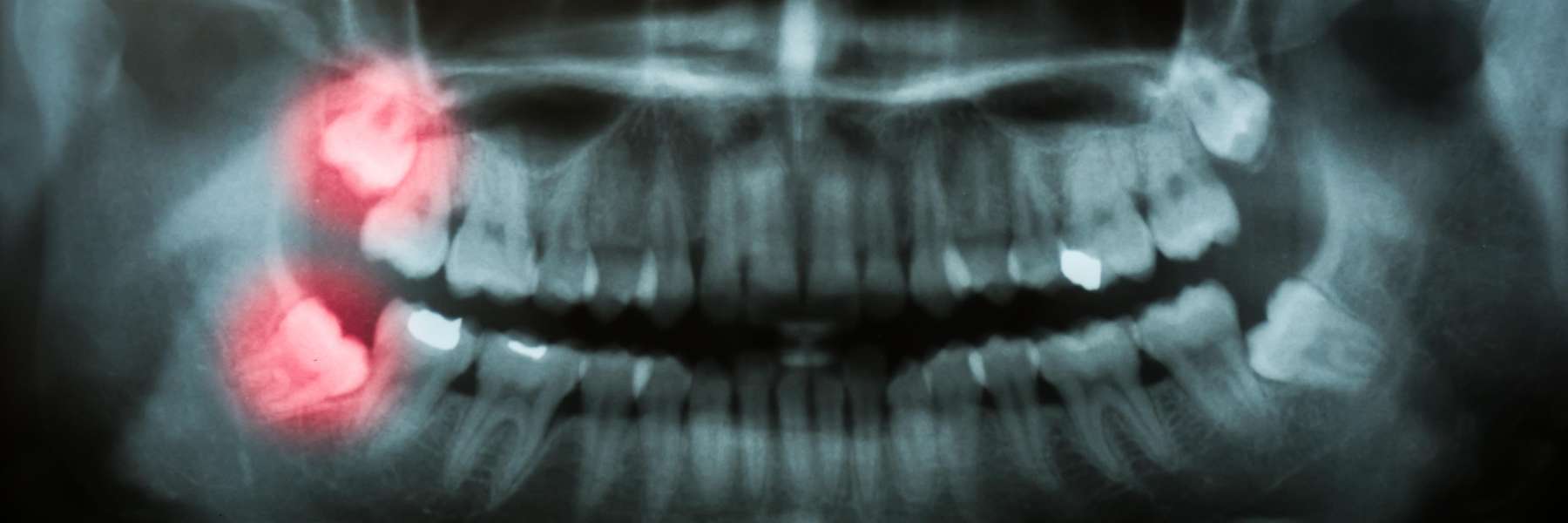

Wisdom teeth, or third molars, typically emerge in late adolescence or early adulthood. While some people experience no complications, others face issues when there is insufficient space in the jaw. This can lead to impacted wisdom teeth, which may require clinical intervention to prevent further oral health concerns.
What Are the Common Signs of Impacted Wisdom Teeth?
An impacted tooth occurs when it fails to fully emerge or grows at an angle. While only a dental professional can diagnose impaction via X-ray, patients often report the following symptoms:
- Persistent jaw pain or swelling around the back of the mouth.
- Red, swollen, or bleeding gums near the molar area.
- Difficulty opening the mouth or discomfort while chewing.
- Halitosis (persistent bad breath) or an unpleasant taste, which may indicate a localized infection.
Why Clinical Removal May Be Necessary
Under AHPRA guidelines, it is important to note that not everyone requires extraction. However, a dentist may recommend the procedure if they identify specific clinical risks during an examination, such as:
- Potential Damage to Adjacent Teeth: If a wisdom tooth pushes against the second molar, it may increase the risk of infection or structural damage to healthy teeth.
- Cyst Formation: In some cases, the sac where the wisdom tooth develops can fill with fluid, potentially impacting the jaw bone or nerves.
- Tooth Decay and Gum Disease: Because partially erupted wisdom teeth are difficult to clean, they are more susceptible to recurrent inflammation (pericoronitis) and decay.
The Wisdom Tooth Extraction Procedure
Every patient’s case is unique, and a thorough consultation is required to determine the appropriate surgical approach. Generally, the clinical process involves several key stages:
- Anaesthesia: To manage discomfort, a local anaesthetic is applied. Some patients may also be offered sedation depending on the complexity of the extraction.
- Accessing the Tooth: If the tooth is impacted, a small incision is made in the gum tissue to expose the tooth and bone.
- Tooth Removal: The dentist or oral surgeon may divide the tooth into sections to make it easier to remove through the opening.
- Post-Surgical Care: The site is cleaned, and sutures (stitches) may be placed to assist with the natural healing process.
Consult a Dental Professional in Blacktown
If you are experiencing dental discomfort or have concerns about the growth of your third molars, a clinical assessment is the best next step. Our team can provide a comprehensive examination to determine if wisdom tooth extraction is appropriate for your specific oral health needs.
For more information or to book a consultation, we invite you to contact our Blacktown clinic at (02) 9831 4046.